स्तम्भ Stambh · Udyamnīti
Why the iPhone Duo Costs ₹3 Lakh in India
Apple’s first foldable is $1,999 in America and ₹2,99,900 here. Customs duty, the social welfare surcharge and GST explain most of the gap. Why a founder might still be right to buy one.
Nikhil Sharma · उद्यमनीति Udyamnīti · 22 October 2026 · 6 min read
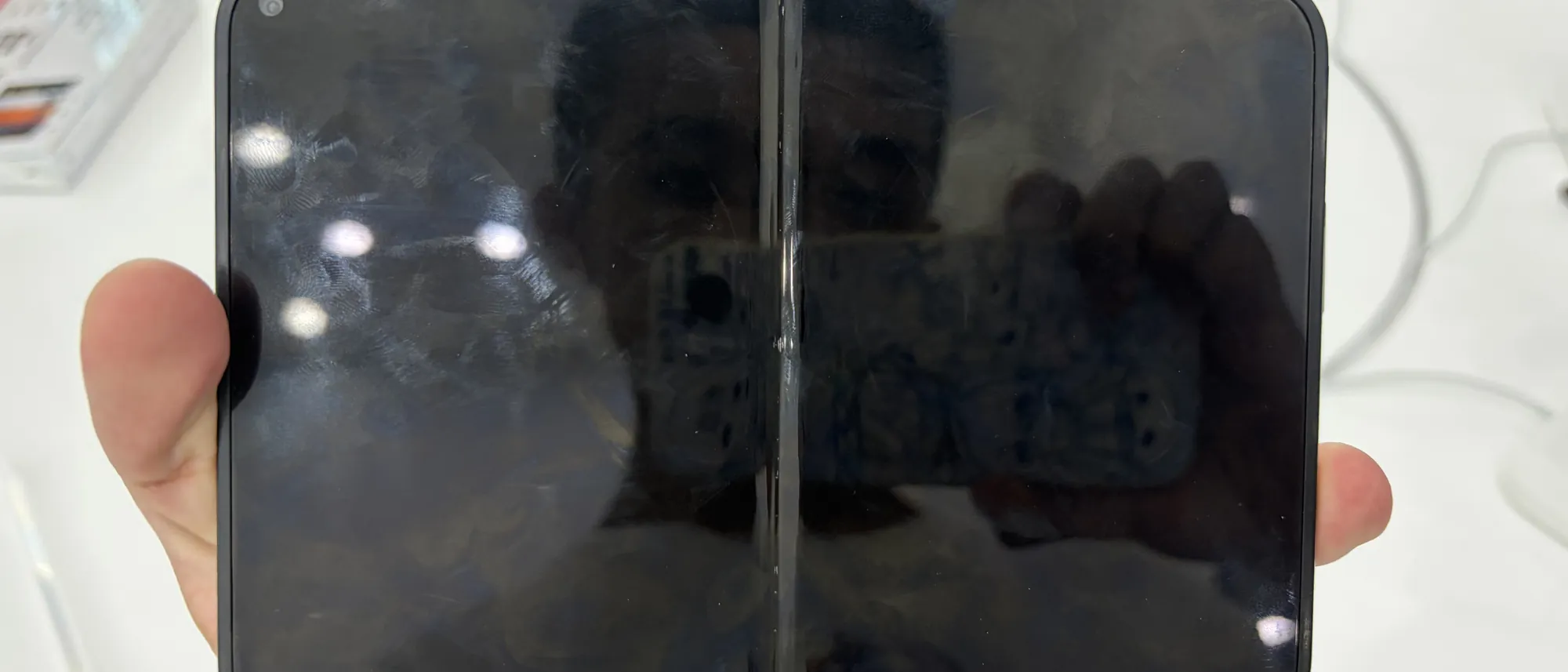
I have pre-ordered an iPhone Duo with my own money. Apple has not paid for this column or seen it.
Apple’s first foldable phone goes on sale in India tomorrow. The cheapest one costs ₹2,99,900. In America the same phone is $1,999.
At the closing rate on 20 October, ₹94.91 to the dollar, $1,999 is about ₹1,89,700. So an Indian pays roughly ₹1.1 lakh more for the same glass and titanium. The 2TB model is ₹4,49,900 here against $3,199 there.
The first question everyone asks is why. The second, which matters more, is whether it is worth it anyway. I have ordered one, so I owe you an honest answer to both.
It arrives in a box from abroad
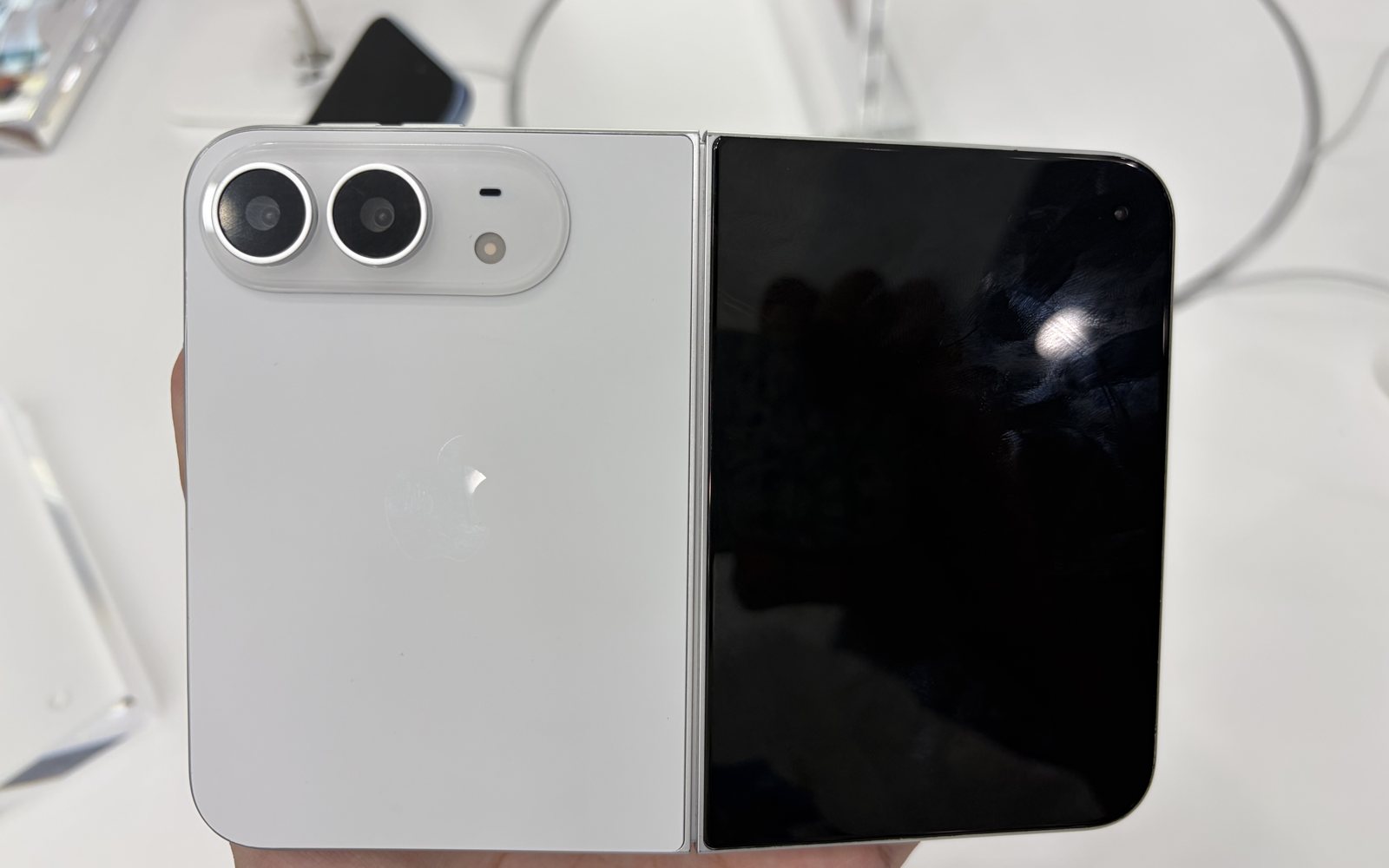
Most iPhones sold in India are now assembled in India. The Duo is not. Its hinge, its folding OLED panel and the parts around them come from a supply chain that has not yet moved here, so the phone lands as a completely built unit. A completely built phone pays the full import stack.
That stack has three layers.
Basic customs duty of 15 per cent. The Finance Minister cut it from 20 per cent in the Union Budget of July 2024. The 2026 Budget left finished phones alone.
The social welfare surcharge. It is 10 per cent of the customs duty, so another 1.5 per cent of the import value. Together the two come to 16.5 per cent.
GST of 18 per cent. It is charged on the value after duty has been added. So the GST is partly a tax on a tax.
Work the Indian price backwards and about ₹81,700 of the ₹2,99,900 is tax: roughly ₹36,000 of customs duty and surcharge and ₹45,700 of GST. Twenty-seven paise in every rupee.
Some reports put the duty at 22 or 28 per cent. The statutory rate on a finished mobile phone is the 15 per cent plus surcharge above. The higher figures appear to fold the GST effect into the duty.
Tax explains most of it, not all
Two more things sit inside the gap.
The American price is quoted before sales tax, which runs from about 6 to 10 per cent depending on the state. The Indian price already includes GST. So the honest comparison is closer than the headline.
Even so, if you take the American price and add Indian duty and GST to it, you reach about ₹2,60,800. Apple charges ₹2,99,900. The remaining ₹39,000 or so, around 15 per cent, is Apple’s own India premium: currency risk, warranty, distribution and margin. Apple does not break it down and nobody outside Apple can.
The price will very likely fall when the Duo is assembled here, as it did for every iPhone that moved to Indian lines. That is not this year’s phone.
Why a founder might buy it anyway
A phone is a consumer product. For a person who runs a business it is also the office. I spend more working hours on my phone than at any desk, and I suspect you do too. Judged as the office, the arithmetic changes.
It is the tablet you stop carrying. Unfolded, the Duo is a 7.6-inch screen. Two apps run side by side: the deck and the email that asked for it, the sales dashboard and the WhatsApp thread about it, the contract and your notes. Apple Pencil support is due later this year for marking up documents on either screen. Folded, it is a 5.4-inch phone that fits a shirt pocket. One device instead of two is one charger, one bag and one less thing to forget in the cab.
It reads like a document, not a feed. The work a founder does on a phone is increasingly reading: proposals, term sheets, AI-drafted reports, dashboards. A phone screen turns every one of them into a scroll. A screen nearly the size of a paperback lets you see the paragraph and the table under it at once. That is the difference between skimming a contract and reading it.
It sits inside a system you may already own. If your laptop is a Mac, the phone and the laptop share a clipboard, pass files by AirDrop and hand calls and messages back and forth. That continuity is worth more to a busy person than any single specification.
The GST may come back. If the phone is bought by a GST-registered business on a tax invoice in its name and used for the business, the 18 per cent GST can usually be claimed as input tax credit. That is roughly ₹45,700 on the base model. The customs duty and surcharge cannot be claimed. Personal use complicates the credit, so speak to your chartered accountant before you count on it.
The daily cost is smaller than the sticker. Spread over three years, ₹2,99,900 is about ₹274 a day. After GST credit, ₹2,54,000 over three years of working days is about ₹340 a working day. Either way it is the price of one coffee meeting, every working day, for the device the company runs on.
And yes, it is a signal. I will not pretend status does not matter in Indian business. It does. A founder who walks into a meeting and unfolds a screen to show the deck is saying something before he speaks. That is not a reason to buy a phone. It is a reason not to be embarrassed that it is one of the reasons.
When you should not
This is a first-generation product and it behaves like one.
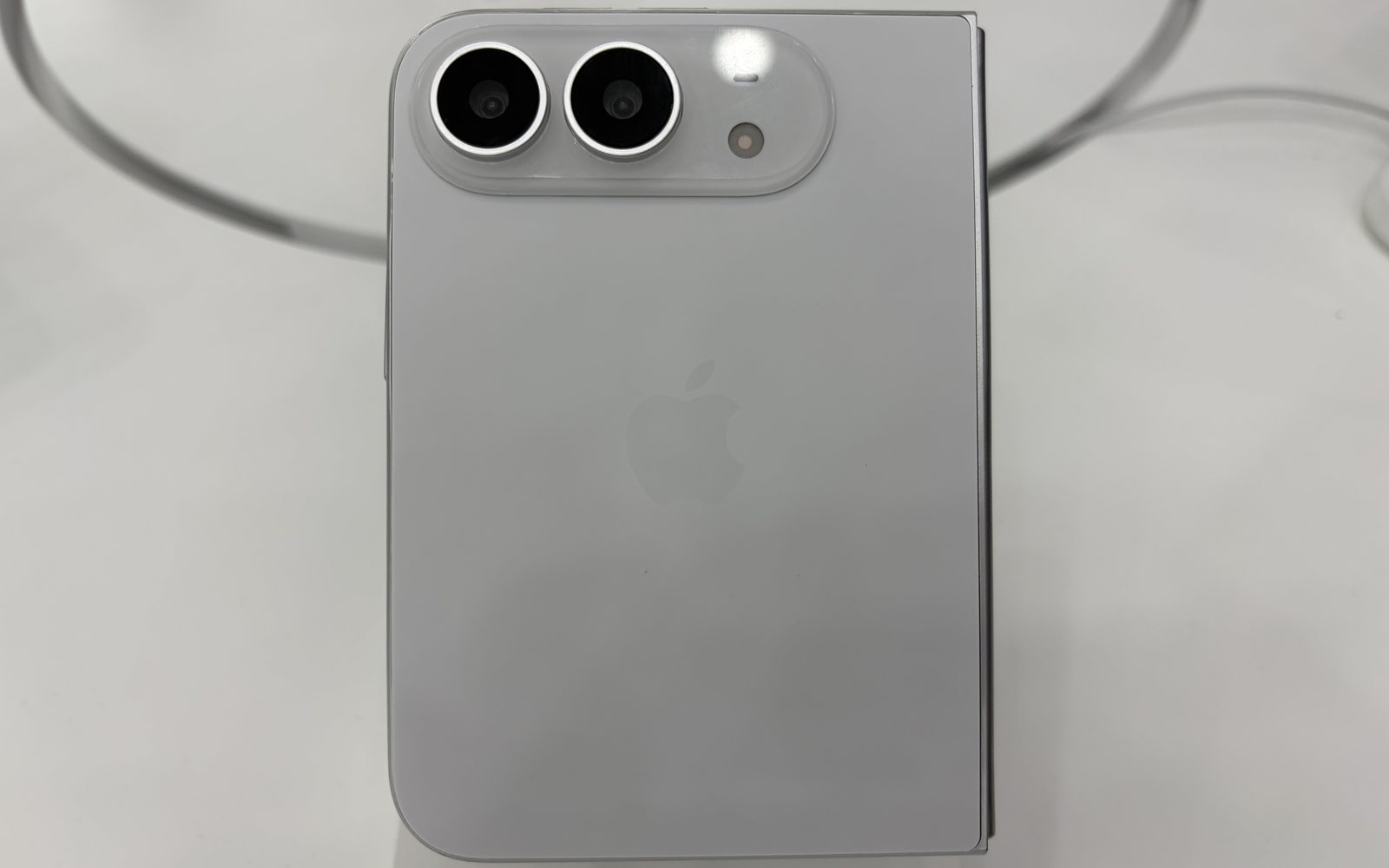
Reviewers praised the hinge and the screen but found many third-party apps not yet built for the larger display, with black bars and awkward layouts. Battery life split them: one found it comfortably lasted a busy day, another doubted it would survive heavy use. Reports in late September spoke of low production yields, which usually means supply stays tight for a while.
So do not buy it if your phone is mainly calls and WhatsApp. Do not buy it to impress investors; they are more impressed by a business that does not spend ₹3 lakh on a phone in its first year. Do not buy it on an EMI you would feel. And if you can wait a year, the second generation will be better and an Indian-assembled one, when it comes, will be cheaper.
Buy it if you run your work from your phone, read for a living and already live inside Apple’s system. In that case you are not buying a phone. You are buying back the laptop moments you lose every day in cars, lobbies and waiting rooms.
You are not buying a phone. You are buying back the hours you lose in cars, lobbies and waiting rooms.
Gurugram, 22 October 2026.
Sources, checked 22 October 2026. Macworld, iPhone Duo guide: price, specs and first reviews. Ascendants, iPhone Duo India launch and prices, 5 October 2026. ETV Bharat, Why Apple’s foldable phone is so expensive in India, 11 September 2026, for the completely built import and the US prices by storage. How2Shout, Why the iPhone Duo is so much more expensive in India, 13 September 2026, for the 15 per cent duty and 10 per cent surcharge. BusinessWorld, Budget 2024-25 cuts basic customs duty on mobile phones to 15 per cent. The Shillong Times (PTI), Rupee closes at 94.91 against the dollar, 20 October 2026. TaxBuddy, GST on mobile phones and input tax credit. The tax arithmetic is mine and works backwards from Apple India’s list price. This is not tax advice.