पाठशाला Pathshala · संचालन Sanchālan, Operations · Lesson 11 · Build
The board meeting that works
Most startup board meetings are a deck read aloud. Calls with each director, a pre-read five days ahead, an agenda built on decisions and a next-day debrief make it the quarter’s most useful afternoon.
Pathshala, The Founder Library · 11 October 2026 · 7 min read
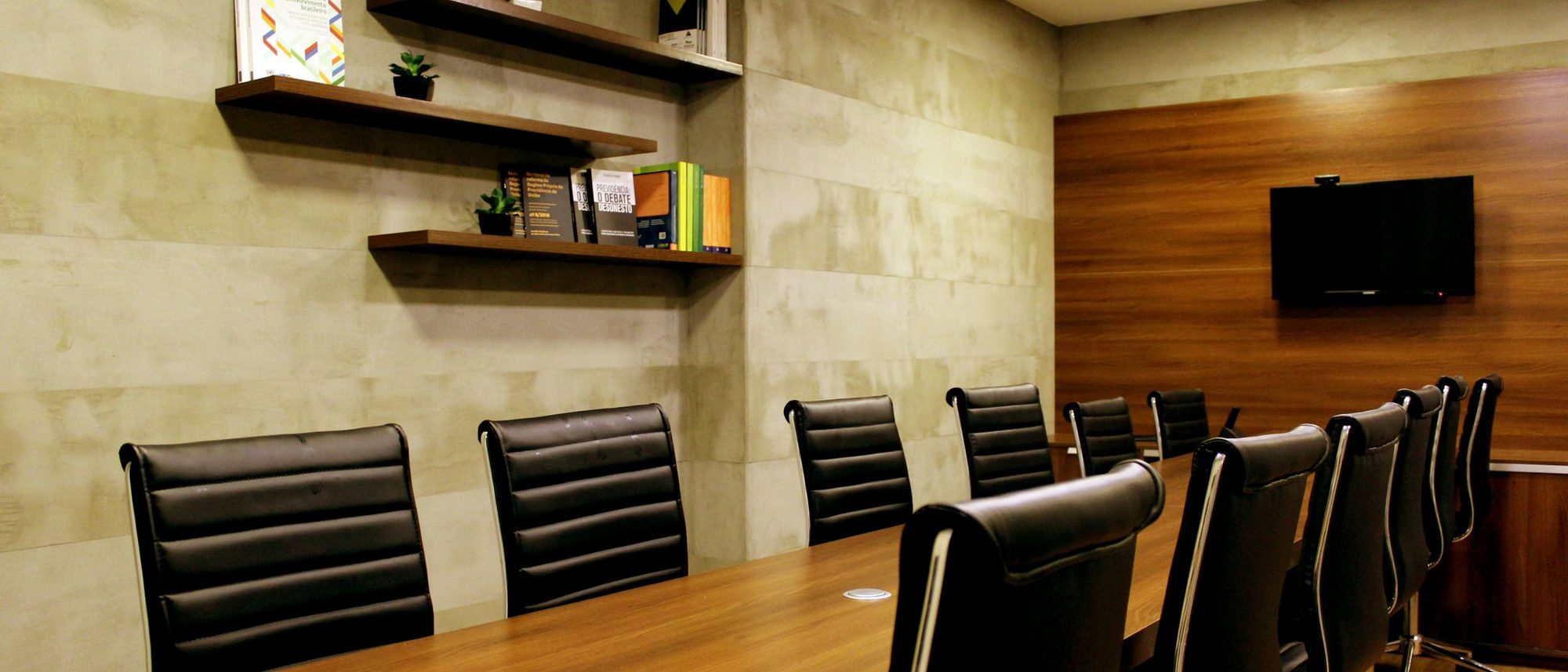
The first board meeting after a seed or Series A round is usually a performance. The founder walks a forty-slide deck for two hours, the directors ask polite questions about slide twenty-three, and the one decision that mattered, whether to hire a sales head or a second engineering team, gets the last ten minutes. Everyone leaves having spent an afternoon and learned little they could not have read.
This lesson sets out what Indian company law requires of board meetings, then the four parts of a meeting that works: the calls with each director beforehand, the pre-read, the decision agenda, and the debrief that turns the discussion into actions. The [board deck lesson](/library/board-deck-what-goes-in-what-stays-out) covers what goes in the pre-read itself.
What the law asks, and what it leaves to you
Under section 173 of the Companies Act a company holds its first board meeting within thirty days of incorporation, and thereafter at least four meetings a year with, as KPMG’s note on the 2017 relaxations restates, no more than 120 days between two of them. Sub-section (5) relaxes this for one person companies, small companies, dormant companies and private companies that are start-ups: they comply with one meeting in each half of the calendar year, at least ninety days apart. Notice of at least seven days goes to every director in writing. Directors may attend by video if the means can record and recognise their participation.
The Institute of Company Secretaries’ Secretarial Standard on board meetings adds the mechanics most founders meet through their company secretary. As TaxGuru’s notes on SS-1 summarise, the agenda and the notes to the agenda go out at least seven days before the meeting; draft minutes are circulated within fifteen days; and the minutes record which directors dissented or abstained on each resolution. A startup with institutional investors will usually have agreed to quarterly meetings in its shareholders’ agreement whatever the relaxation allows, and this lesson assumes a quarterly rhythm. The law sets the floor. Everything that makes a meeting useful is left to the company.
A week before: one conversation with each director
Mark Suster’s column Why you shouldn’t decide anything important at your board meeting makes the case plainly. Real-time group decisions drift towards groupthink, indecision and avoiding hard choices. So a founder should spend about thirty minutes with each director at least a week before the meeting, walk through the agenda, ask what they want added, and hear objections while there is still time to change the proposal, compromise or persuade. The golden rule of board meetings, in his phrase, is no surprises. The meeting then ratifies what has already been argued.
For a board of three to five this is two to three hours of the founder’s time in the week before the meeting, and it is the most valuable time in the cycle. It is where an investor director says what they would never say in front of the other investor, and where a founder learns that the hiring plan they thought was settled has one director firmly against it.
The pre-read
The pre-read is the deck and a short memo from the CEO, sent before the meeting so that the meeting does not have to present it. Advice on timing varies. Sequoia’s Bryan Schreier, in Preparing a Board Deck, says to distribute materials one to two days ahead so the meeting can spend its time discussing rather than presenting. Jon Callaghan of True Ventures, in his advice for better board meetings, says three to five days, and asks that directors be required to read it and send back observations and questions. An Indian company has SS-1’s seven days for the formal notes to the agenda in any case. The house rule is five days for the deck and memo, with questions back by two days before, so the founder walks in knowing what will be asked.

The CEO memo is one page: what went well, what did not, the two or three decisions the board is being asked to take, and the one area where the founder most needs help. Callaghan suggests opening the meeting with exactly that sentence, here is one area where I could really use your help, and it is a good line for the memo too. Attach the draft minutes of the last meeting and the list of its actions with the status of each, so the meeting does not begin with a hunt for what was agreed last time. Directors who see every action from last quarter closed read the rest of the pack differently.
The decision agenda
Schreier’s agenda for a growth-stage board runs in five parts: a big picture of about fifteen minutes with highlights, lowlights and where the company needs help; calibration of forty-five to sixty minutes on the fewest correct metrics; company building of about thirty; working sessions of about thirty minutes a topic; and a closed session of fifteen for feedback and formalities. For an early company with a read pre-read the calibration shrinks to half an hour of questions, because nobody needs the numbers presented again.
Two practices from Callaghan make the agenda work. An executive session at the start, ten to fifteen minutes with the founders and directors alone, frames the meeting and is the place for touchy subjects, and should be held even when there is nothing specific to discuss. And a closed session at the end, the board without the CEO, collects the feedback people will not give in the founder’s presence; one director delivers it to the CEO that evening. Between them sit the decisions, two or three at most, each with half an hour, and then a working session on the area where the founder asked for help.
A board meeting is not where the company reports. It is the one afternoon a quarter when the most experienced people around it work on its hardest question at once.
The debrief
Suster’s rule for the day after is to ratify early: a summary email to the board the next day with every decision and action, and legal minutes circulated within a week for approval, so nothing agreed in the room is disputed a month later. SS-1 gives the outer limit of fifteen days for draft minutes; the company secretary drafts them, the founder checks that every decision and every dissent is recorded as it happened. The summary email is the founder’s, not the secretary’s. It lists each decision, each action with an owner and a date, and the help each director offered. Then the founder chases the help. A director who offered three introductions and was never reminded will offer fewer next quarter.
The quarter between meetings matters as much as the meeting. A board that hears from the company four times a year judges it on four snapshots, and every snapshot is a surprise. Send the directors the summary page of the [monthly MIS](/library/monthly-close-and-mis-report) each month with a short note from the CEO: three sentences on what happened, the number that moved most, and any decision coming next quarter. It takes the founder twenty minutes. It means the quarterly pre-read confirms what directors already know rather than revealing it, which is the condition Suster’s no-surprises rule depends on, and it gives each director a reason to call with help before the meeting rather than after it.
The debrief has an internal half. Within two days the founder tells the team what the board decided and why, in writing, so that the people who will execute the decisions do not learn about them from rumour.
The quarterly board calendar
Set the year’s four dates at the first meeting of the year and work backwards from each. Three weeks before: book the half-hour calls with every director for the following week, and ask the company secretary to prepare the notice. Two weeks before: the calls happen; the agenda and the decisions are settled. Seven days before: notice, agenda and notes to the agenda go out as SS-1 requires. Five days before: the deck and CEO memo go out. Two days before: questions are back and answered in writing or parked for the meeting. The day: three hours, decision agenda, closed session. The day after: the summary email. Within fifteen days: draft minutes circulated. Within a month: every action chased once. A founder who runs this calendar four times will find the fifth meeting takes half the preparation, and the board will have started asking for the pre-read early.
Nothing here is legal advice. Statutory requirements are stated as checked on 11 October 2026; your company secretary confirms which apply to your company and what your shareholders’ agreement adds.
Sources
- Companies Act, 2013, section 173: Meetings of Board (with rules and notifications)
- KPMG India, First Notes: MCA issues relaxations under the Companies Act, 2013 (June 2017)
- TaxGuru, Notes on Secretarial Standard-1: Meetings of the Board of Directors
- Mark Suster, Why You Shouldn’t Decide Anything Important at Your Board Meeting, TechCrunch, 19 March 2014
- Bryan Schreier, Preparing a Board Deck, Sequoia Capital
- Jon Callaghan, Advice for Better Board Meetings, True Ventures, November 2017